Waddon Station Moves: Tips for Tight-Access Jobs
Posted on 26/05/2026
Moving near Waddon Station can be straightforward on paper and awkward in real life. Narrow streets, limited parking, shared entrances, stair-only access, awkward corners, and time pressure can quickly turn a simple move into a tight-access job that needs planning. If you are dealing with flats above shops, older properties, rail-adjacent traffic, or a loading bay that only works for a short window, the difference between a smooth move and a stressful one is usually preparation.
This guide covers practical, real-world Waddon Station Moves: Tips for Tight-Access Jobs so you can plan properly, reduce risk, and avoid the common mistakes that make access problems worse. You will find clear steps, useful comparisons, and the kind of detail that helps on moving day, not just in theory. If you are still gathering ideas for the broader move, our services overview is a helpful place to understand the full range of support available.
In short: tight-access moving is less about brute force and more about timing, route planning, accurate measurements, and choosing the right vehicle and crew size. Get those right, and even a challenging property becomes manageable.
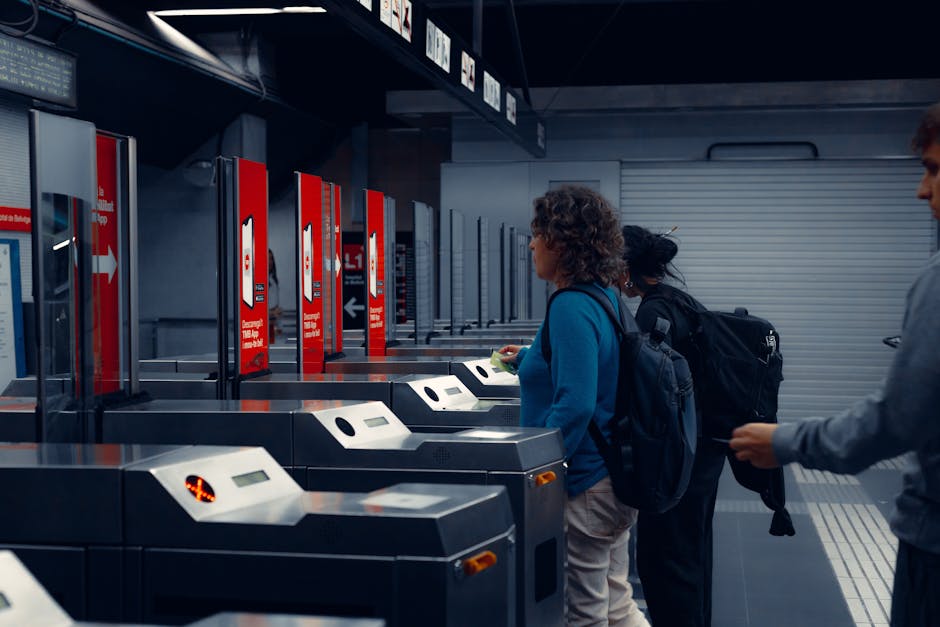
Why Waddon Station Moves: Tips for Tight-Access Jobs Matters
Tight-access moves are different from standard house moves because the challenge is not only the volume of items. It is the environment around them. Near Waddon Station, you may be working with restricted road space, shared building access, short kerbside stopping opportunities, or a walk from the van to the front door that is longer than you expected.
That matters because every extra metre, step, and turn adds risk. Sofas catch on bannisters. Wardrobes chip corners. White goods become difficult to control. And if the van is parked too far away, you can burn time and energy carrying items back and forth. That is before you even get to the noise, neighbours, weather, and the pressure of keeping to a booking slot.
For most people, the real cost of a tight-access move is not just money. It is stress, fatigue, and avoidable damage. A good plan can reduce all three. Truth be told, a few precise measurements and one honest conversation about access will often save more hassle than a pile of packing tape ever could.
If you are trying to reduce the volume you need to move, our guide on how to declutter before you move is a sensible companion read. Less to carry usually means less to worry about, which is especially useful when the access is awkward.
How Waddon Station Moves: Tips for Tight-Access Jobs Works
At its core, a tight-access move works by breaking a difficult space into manageable stages. Instead of seeing the job as "move everything from A to B," you look at the access route, the item size, the safest carry path, the best van position, and the loading order.
Here is the practical flow most experienced movers use:
- Assess the access first. Check stairs, lifts, corridors, door widths, parking, road restrictions, and turning points.
- Measure key items. Large furniture, mattresses, appliances, and pianos deserve exact dimensions, not guesswork.
- Decide what should be dismantled. Some items are safer and quicker in parts, especially beds, wardrobes, and shelving.
- Match the vehicle to the property. A smaller vehicle can sometimes be better than a larger one if parking is very tight.
- Plan the load order. Heavy items go in first, fragile items are protected and positioned carefully, and the unload sequence is mapped in advance.
- Protect the route. Door frames, floors, corners, and bannisters often need protection on both sides of the move.
For packing, it helps to follow a sensible system rather than filling boxes randomly. Our effective packing guidelines explain how to keep boxes stable, labelled, and easier to handle when space is tight.
A simple example: if your flat is two floors up with no lift and a narrow landing, the best solution may be to use more compact loads, more careful wrapping, and a better carry sequence rather than trying to force bulky items through the route in one go. That is where tight-access planning pays off.
Key Benefits and Practical Advantages
A well-managed tight-access move offers more than convenience. It directly improves safety, speed, and the chance that your furniture arrives in good condition.
- Less damage risk: Planned routes and protective materials reduce scrapes, dents, and pinched corners.
- Better time control: If access is mapped properly, the move is less likely to overrun.
- Lower physical strain: Good carrying technique and sensible item sizing cut the chance of injury.
- Cleaner handover: Fewer knocks and scuffs means a better finish for both the old and new property.
- Less disruption: Neighbours, building managers, and road users are less likely to be inconvenienced when the move is organised.
There is also a commercial advantage if you are comparing moving support options. A company that understands access constraints can usually recommend the right vehicle size, crew size, and handling method much more accurately than a general, one-size-fits-all service.
If your move is part of a larger relocation, you may want to read how to move without the stress. It reinforces the same idea: calm, structured preparation reduces problems before they appear.
Practical takeaway: tight-access jobs are won before the van arrives. The clearer the route and the load plan, the easier the day becomes.
Who This Is For and When It Makes Sense
This approach is useful for anyone moving from or to a property where access is not generous. In Waddon, that often means flats, converted buildings, properties near busy roads, or homes where parking is limited and stair access is unavoidable.
You will probably benefit from this advice if you are:
- moving from a flat with narrow internal stairs
- dealing with a long carry from the van to the entrance
- relocating large furniture through tight hallways
- moving at a busy time of day when parking is difficult
- handling delicate or heavy items that cannot be casually dragged or tilted
- managing a same-day or time-sensitive relocation
It is also relevant if you are a student, a renter, or a homeowner who needs to keep disruption to a minimum. For example, students often have smaller loads but less predictable access, especially in shared accommodation. If that sounds familiar, our student removals in Waddon page may be useful as a next step.
And if you are weighing whether a smaller vehicle or full removals support is the better fit, the right answer usually depends on the access route as much as the load size. A compact move can still need professional handling if the stairs are awkward or the parking is unforgiving.
Step-by-Step Guidance
The best way to manage a tight-access move is to treat it like a sequence of decisions, not a single heavy lift. Here is a practical order that works well in real moving situations.
1. Survey the access route
Walk the path from the property entrance to the vehicle. Note every bottleneck: low ceilings, tight corners, narrow gates, steps, kerbs, shared corridors, and obstacles such as bins or bike racks. If needed, take photos and short videos. That makes planning much easier than relying on memory later.
2. Measure the bulky items
Do not assume a sofa, fridge, bed frame, or wardrobe will fit simply because it has moved before. Measure height, width, depth, and any awkward protrusions. A fraction of an inch can be the difference between a neat turn and a hard stop on the landing.
3. Separate, dismantle, or reduce volume
Take apart what can be safely dismantled. Remove table legs, shelf units, bed frames, and loose parts. If an item is better moved in two pieces, do that. If you need guidance on bedding and mattress handling, the article on best practices for bed and mattress relocation is a practical reference.
4. Pack by carry difficulty
Box the easiest items together and keep heavy items in smaller cartons. In tight spaces, oversized boxes are a liability. They wobble, block sightlines, and are unpleasant on stairs. Smaller, denser boxes are usually safer and easier to control.
5. Reserve the right vehicle and timing
With restricted parking, a smaller or more manoeuvrable van can be more useful than a larger one. Timing also matters. If the area is busier at school run time or commuter peaks, a slightly earlier or later window may make the whole job calmer.
6. Protect surfaces and edges
Use door protectors, floor coverings, wraps, straps, and blankets where needed. A little protection now can prevent expensive repair headaches later. Sofas and upholstered pieces benefit from careful wrapping; if you need specific advice, our piece on protecting sofas during a move covers the basics well.
7. Load in the correct order
Put the heaviest, sturdiest items in first and build around them. Fragile items should be secured so they cannot shift during transit. Keep the unload sequence in mind too, especially if the new property is equally awkward.
8. Keep communication simple and constant
If you are working with movers, tell them about access restrictions before the job starts and again when they arrive. Clear instructions beat assumptions. "It looks fine from here" can be famous last words in moving.
Expert Tips for Better Results
Experienced movers tend to think in terms of friction, angles, and stamina. The trick is not to do more; it is to do less of the wrong thing.
- Use smaller loads on stairs. A lighter item is easier to control than a nearly full box that feels efficient but moves badly.
- Turn furniture early. Waiting too long to pivot often creates the exact problem you were trying to avoid.
- Keep a clear landing zone. If the hallway is filled with loose bags and coat stands, the move slows down immediately.
- Label awkward items. Mark "fragile," "this way up," or "two-person lift" where it will actually be seen.
- Check lift dimensions, not just availability. A lift that exists is not always a lift that helps.
- Use gloves with grip. They can make a real difference when handling smooth or slippery items.
- Leave enough margin for surprises. Tight-access jobs nearly always have one unexpected detail. Build time for it.
For heavier pieces, it helps to understand safe handling basics rather than relying on strength alone. Our article on solo heavy lifting tips is useful background, but for awkward loads, a second pair of hands is often the better answer. If you are interested in movement mechanics and posture, the guide on kinetic lifting explains the idea in simple terms.
A quiet but important tip: photograph how wiring, shelves, or detachable parts are connected before dismantling anything. It saves time later and avoids the irritating "where did this bracket come from?" moment.

Common Mistakes to Avoid
Most problems on tight-access moves are predictable. That is the good news. The bad news is that they are still easy to make if you are rushing.
- Guessing measurements: "It should fit" is not a plan.
- Using oversized boxes: They are difficult on stairs and more likely to split.
- Ignoring parking reality: If the van cannot stop reasonably close, the whole schedule changes.
- Forcing furniture through: If it does not move smoothly, stop and reassess.
- Not checking the route in person: Photos help, but a live walk-through is better.
- Skipping protection: One damaged door frame can wipe out the savings from a rushed move.
- Leaving packing too late: Tight-access moving needs more organisation, not less.
Another common issue is trying to move everything in one trip when the space does not support it. Multiple smaller runs can be more efficient than one exhausting, high-risk carry. It is not glamorous, but neither is repairing a chipped hallway wall.
If the property needs to be left in clean condition, our guide to preparing an immaculate home before moving out is a sensible follow-up. Clean handovers and careful moving go hand in hand.
Tools, Resources and Recommendations
The right tools do not make a bad plan good, but they do make a good plan much safer. For tight-access jobs, the basics matter more than fancy kit.
| Tool or resource | Why it helps | Best use case |
|---|---|---|
| Measuring tape | Confirms whether furniture and appliances will fit | Doorways, stairs, halls, lift openings |
| Furniture blankets | Protects finishes from scrapes and knocks | Sofas, wardrobes, wooden items |
| Straps or tie-downs | Keeps items stable during transit | Securing loads in the van |
| Floor runners | Reduces dirt and surface damage | Long carries through hallways or shared entrances |
| Marker pens and labels | Makes box identification quick and clear | Multi-room or staged moves |
| Small, sturdy boxes | Safer to lift on stairs and around corners | Books, kitchenware, dense items |
Beyond equipment, the most valuable resource is a properly informed moving plan. If you are unsure what kind of service best suits your access constraints, start with the relevant local page such as man and van in Waddon or flat removals in Waddon. Those options are often more suitable for restricted access than people first assume.
For larger or more complicated moves, the more structured house removals service in Waddon may be the better fit, especially if the access problem is combined with a bigger household load.
Law, Compliance, Standards, or Best Practice
For a move like this, compliance is mostly about safety, access respect, and sensible handling rather than complicated legal theory. The exact obligations can vary depending on the building, road, landlord rules, and the service being used, so it is wise to check details in advance rather than assume.
Good practice usually includes:
- Safe manual handling: Heavy or awkward items should be lifted with care and with enough people for the job.
- Respect for access rules: Blocks of flats, managed buildings, and business premises may have booking windows or loading restrictions.
- Traffic and parking awareness: Do not block entrances, exits, or emergency routes.
- Insurance awareness: Confirm what is covered and what is not before moving day.
- Clear communication: Everyone involved should know the access constraints and the handling plan.
If you want to review service standards, it is sensible to read the company's health and safety policy and insurance and safety information. Those pages help set expectations around careful handling, risk control, and responsible service delivery.
For moving terms, payment details, and the basics of booking with confidence, the terms and conditions and pricing and quotes pages are worth a look. Clarity upfront usually avoids misunderstanding later.
Options, Methods, or Comparison Table
There is no single best method for every tight-access move. The right choice depends on item size, distance to the van, number of stairs, time available, and whether you are moving a full household or a smaller load.
| Approach | Best for | Strengths | Trade-offs |
|---|---|---|---|
| Small van with careful load planning | Very tight streets or restricted parking | Manoeuvrable, flexible, easier to position | May require more than one run if the load is large |
| Standard removals vehicle | Moderate access with enough kerb space | Good balance of capacity and efficiency | Not ideal where parking or turning is limited |
| Partial dismantling of furniture | Stairs, narrow halls, awkward corners | Improves fit and reduces damage risk | Takes extra time and careful reassembly |
| Staged move with storage | Complicated timelines or overcrowded homes | Reduces pressure on move day | May involve extra handling and planning |
Sometimes a mixed approach is best. For example, a same-day move might still work well if smaller items are carried first, a sofa is protected properly, and the largest pieces are dismantled beforehand. If timing is critical, same-day removals in Waddon can be a useful option to explore.
Where furniture is especially valuable or delicate, specialist handling makes sense. That is often true for larger statement items, and our page on furniture removals in Waddon is a natural fit for that kind of job.
Case Study or Real-World Example
Consider a typical Waddon Station-area flat move: two bedrooms, one sofa, a double bed, a dining table, several boxes, and a fridge freezer. The building has narrow stairs, no lift, and parking only briefly available near the entrance. At first glance, the job looks straightforward. In practice, the access is doing most of the work.
The move becomes easier when it is broken into phases. First, the route is cleared and checked. Then the bed frame is dismantled, the fridge is prepared separately, and smaller boxes are grouped by weight rather than by room alone. The sofa is wrapped before it reaches the hallway. The van is parked where the carry distance is shortest, not where it is simply easiest to stop.
What changed the outcome was not speed, but order. Instead of fighting the building, the movers worked with it. The result was less waiting, less lifting strain, and far fewer chances to scrape a wall or jam an item on the stairs.
If a large appliance needs special handling, take a look at our guidance on storing a freezer properly. It is useful if your move involves temporary storage, defrosting, or a delayed setup.
For customers who need somewhere safe to keep items while access is being sorted out, storage in Waddon can bridge the gap without rushing the move.
Practical Checklist
Use this checklist as a final pre-move sanity check. It is intentionally simple.
- Measure doors, stairs, halls, and key furniture pieces
- Confirm parking and vehicle access near the property
- Identify items that need dismantling
- Pack heavy items into smaller boxes
- Wrap fragile or high-value furniture
- Protect floors, corners, and doors where needed
- Label boxes clearly and note fragile items
- Keep pathways clear inside the property
- Tell everyone involved about access restrictions
- Allow extra time for stairs, turns, and loading
- Check insurance, booking details, and any building rules
- Have basic tools ready for reassembly
If you are still deciding how much support you need, it may help to review the broader removal services in Waddon and, if relevant, removal van options in Waddon. Choosing the right setup upfront can make a tight-access move much more predictable.
Conclusion
Tight-access moves near Waddon Station are manageable when you treat access as the main planning issue, not an afterthought. Measure first, pack intelligently, choose the right vehicle, protect the route, and keep the load plan simple. That approach saves time, reduces damage risk, and makes the whole day feel far less chaotic.
The biggest wins usually come from small decisions: a better parking spot, a smaller box, a dismantled table leg, a clearer route, or one extra minute spent checking a doorway. None of those feel dramatic on their own, but together they create a move that is safer and easier to live with.
Get a free quote today and see how much you can save.
If you would like a service discussion rather than guesswork, the next sensible step is to compare your access conditions with the right local support and ask for a quote that reflects the real layout of the job.