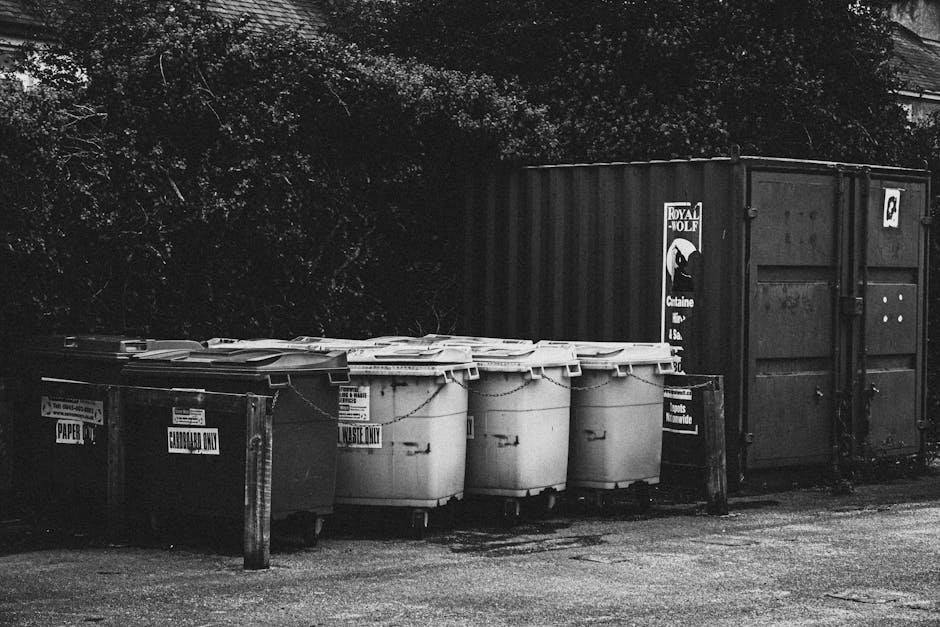
Removing Bulky Waste in Waddon: Council Rules & Fines
Posted on 14/05/2026
Removing Bulky Waste in Waddon: Council Rules & Fines
Bulky waste has a habit of turning up at the worst possible time. A sofa that won't fit through the door, a mattress after a move, a broken wardrobe in the hallway, or a freezer that finally gave up on a damp Tuesday morning. If you live in Waddon, the rules around getting rid of these items matter more than many people realise. Removing Bulky Waste in Waddon: Council Rules & Fines is not just about finding somewhere to dump an old item. It's about avoiding penalties, staying within local rules, and choosing the safest, cleanest route for disposal or reuse.
This guide walks you through how bulky waste disposal works in practical terms, what the main risks are, and how to decide whether a council collection, reuse option, or private removal service makes the most sense. If you are clearing a flat, preparing for a move, or just trying to reclaim a bit of breathing room, this should save you time and, frankly, a headache or two.

Why Removing Bulky Waste in Waddon: Council Rules & Fines Matters
Bulky waste is one of those boring-sounding things that can become a real issue fast. One item left beside a communal bin can look untidy, attract complaints, and in some cases be treated as fly-tipping if it is dumped carelessly. In a place like Waddon, where many homes are close together and access can be tight, the margin for error is smaller than people think.
The council rules exist for a reason. They help keep pavements clear, reduce hazards for pedestrians, and make sure waste goes to the right facility rather than sitting on a street corner. That matters for environmental reasons too. A broken sofa or fridge is not just "rubbish"; it may contain materials that need special handling, or parts that can be reused or recycled properly.
There's also the money side. Fines for improper disposal can be much more expensive than arranging a lawful collection. And if you hire a private service, the real value is not just the lift itself. It is knowing the waste is handled correctly, with paperwork or traceability where needed, rather than ending up in a place nobody can account for. Truth be told, that peace of mind is often what people are paying for.
If you are already organising a move, decluttering a flat, or clearing out after tenants, it is worth reading up on broader preparation too. Our guide on how to successfully declutter before you move is useful if you want to cut down the amount of bulky waste before it becomes a problem in the first place.
How Removing Bulky Waste in Waddon: Council Rules & Fines Works
At a practical level, bulky waste disposal usually falls into one of three routes: council collection, reuse or donation, or private removal. The right option depends on the item, your timing, the access at your property, and whether the item can be reused safely.
Most councils in London operate some version of a bulky item collection service, but the exact terms vary. You typically need to book in advance, list the items, and follow the council's instructions on where to place them and when. Some items may be accepted, while others may be excluded because they are hazardous, too heavy, contaminated, or require special treatment. Don't assume that "bulky" means "anything big." It rarely works that simply.
Illegal dumping, putting out items without booking, or leaving waste where it blocks access can lead to enforcement action. The exact fine levels and enforcement process depend on the authority and the circumstances, so it is always sensible to check the current local guidance rather than relying on hearsay from a neighbour or an old forum post.
For residents dealing with larger home clearances, it can help to think in layers:
- Can the item be reused? If yes, donation or resale may be better than disposal.
- Can it be broken down safely? Some furniture is easier to move if disassembled.
- Is special handling needed? Fridges, mattresses, pianos and electricals can be different beasts altogether.
- Will you need two people or a vehicle? Many bulky items are awkward, not just heavy.
If the item is part of a wider household move, a service such as man and van in Waddon or removal services in Waddon may be more efficient than trying to manage multiple trips yourself. That can be especially helpful where stairwells are narrow or parking is awkward. In that kind of situation, the last thing you need is to be wrestling a wardrobe near a front door at 7:30 in the morning.
Key Benefits and Practical Advantages
Getting bulky waste removed properly is not just about tidiness. It brings a handful of practical gains that you tend to notice immediately once the clutter is gone.
- Lower risk of fines: Staying within local rules reduces the chance of enforcement action or complaints.
- Safer access: Hallways, stairs, and entrances remain clear, which matters in flats and shared buildings.
- Less physical strain: Heavy lifting goes wrong quickly. A strained back can linger far longer than the job itself.
- Better recycling outcomes: Proper services can separate reusable or recyclable materials more effectively.
- Cleaner moving day: If you are relocating, clearing bulky waste first makes packing and loading much easier.
There's also a psychological benefit people don't always mention. Once the old sofa, broken bed base, or unused freezer is gone, the space feels lighter. Not magically transformed, obviously, but lighter. You can move around, clean properly, and make decisions without that constant "we should deal with this one day" feeling hanging over you.
For items like sofas and mattresses, correct handling matters because these are awkward to move and easy to damage on the way out. If you are replacing furniture rather than simply disposing of it, our article on sofa preservation techniques and the guide on bed and mattress relocation can help you decide whether something is worth saving, donating, or removing.
Who This Is For and When It Makes Sense
This topic is relevant to a lot more people than you might expect. It is not just for homeowners with a garage full of old stuff. In Waddon, bulky waste rules and fines matter to:
- Tenants clearing items before a move-out inspection.
- Landlords and letting agents managing end-of-tenancy clearances.
- Homeowners replacing furniture or appliances.
- Students moving out of shared accommodation.
- Small businesses disposing of office furniture or equipment.
- Anyone with limited access, such as upper-floor flats or properties near Waddon Station.
It makes sense to plan ahead if you are dealing with a combination of factors: a deadline, a large item, and a property with limited access. That combination is where things usually become messy. A quick example: a tenant with a mattress, a dismantled desk, and a boxy old freezer in a second-floor flat is not just facing a disposal task; they are facing a logistics puzzle. That is where a well-organised removal plan saves time and stress.
If you are in a flat or maisonette, you may find flat removals in Waddon especially relevant, while businesses needing to replace desks or filing units may want to look at office removals in Waddon. Different jobs, same core problem: getting large items out legally and without damage.
Step-by-Step Guidance
Here is a sensible approach to bulky waste removal that keeps you on the right side of the rules and avoids the usual mistakes.
- Identify the item clearly. Write down what it is, roughly how big it is, and whether it can be broken down.
- Check whether it can be reused. If it is still usable, donation, resale, or passing it on may be the better option.
- Review local council guidance. Look for accepted items, booking rules, collection days, and any placement instructions.
- Assess access and lifting risks. Narrow stairs, lifts, parking restrictions, and sharp corners all matter.
- Decide on the disposal route. Council collection, private removal, or a reuse route, depending on urgency and item condition.
- Prepare the item. Remove drawers, tape loose parts, defrost freezers, and bag small fittings separately.
- Schedule appropriately. Leave enough time before move-out dates or tenancy handovers, because rushing is where errors creep in.
- Keep proof if needed. If a private company is removing the waste, keep booking details and any confirmation.
A useful rule of thumb: if it feels too awkward to lift safely by yourself, it probably is. That is especially true for items like wardrobes, pianos, and large white goods. There is no medal for trying to be heroic for ten seconds and spending the next week regretting it.
For packing and preparation around a bigger clear-out, packing guidance for house moves and the practical advice on packing and boxes in Waddon can help you organise the smaller items before the bulky waste leaves the property.
Expert Tips for Better Results
There are a few small decisions that make the whole process much smoother. These are the things people usually wish they had done earlier.
- Measure doorways and stair turns before moving anything. A sofa that looks manageable in the lounge can become impossible at the landing.
- Strip items down where possible. Removing legs, shelves, and loose fittings makes transport safer and often faster.
- Protect floors and walls. Old blankets, cardboard, or moving wraps can prevent damage on tight corners.
- Bundle related waste together. Keep screws in a labelled bag, pair mattresses with bed frames if they are going together, and don't scatter small parts.
- Time the removal with access. Mid-morning is often easier than the school-run rush or late afternoon traffic.
To be fair, the boring prep is what makes the job feel easy later. A few minutes with tape, labels, and a screwdriver can save an hour of faffing. And yes, that is the technical term.
If you are dealing with heavy or awkward pieces, it may also be worth reading expert tips for solo heavy lifting and, for a more technical approach to moving safely, the article on kinetic lifting techniques. Those resources are not about bravado; they are about preventing the kind of awkward twist that stops you dead.

Common Mistakes to Avoid
Most bulky waste problems are avoidable. The frustrating part is that the mistakes are usually simple ones.
- Leaving items outside without checking the rules. This is a classic cause of complaints and potential fines.
- Assuming every large item is accepted. Councils often have exclusions, especially for hazardous or specialist waste.
- Waiting until the last minute. A booking delay can create a real problem if your move-out date is fixed.
- Trying to move heavy items alone. Even if you manage it, you may damage walls, flooring, or the item itself.
- Ignoring access issues. Parking, lift size, and stair width matter more than people expect.
- Not separating reusable items from waste. Reuse opportunities disappear fast when items are mixed with rubbish.
There is one more, and it is very common: people think a private van can simply take anything, no questions asked. That is not a good assumption. Responsible operators still need to work within waste handling rules and make sure items are moved and disposed of properly.
If you are unsure whether your items should be stored, moved, or removed, the storage options in Waddon might buy you time while you decide. Sometimes a short pause is better than forcing a rushed disposal decision.
Tools, Resources and Recommendations
You do not need a van full of specialist gear to handle bulky waste responsibly, but a few basic tools help a lot.
- Work gloves: Useful for rough edges, splinters, and hidden screws.
- Strong tape and labels: Ideal for keeping loose parts together.
- Blankets or furniture covers: Help protect items and walls during removal.
- Basic tools: Screwdrivers, Allen keys, and spanners for dismantling furniture.
- Measuring tape: Especially useful for tight doorways and stairwells.
- Bin bags or boxes: For small fittings, cables, and fixings.
For item-specific guidance, some of the site's other articles are genuinely useful. For example, if you are dealing with a freezer, the guide on how to store a freezer properly explains why white goods need a bit more care than most people assume. If you are removing an old bed or mattress, the mattress relocation guide mentioned earlier is worth a look too.
For moving larger household pieces in general, furniture removals in Waddon can be a practical option when the item is too awkward, too large, or simply too valuable to risk. And if you need a wider overview of available help, the services overview page gives you a broader sense of what can be arranged.
Law, Compliance, Standards, or Best Practice
Bulky waste disposal sits within a wider framework of environmental responsibility and local authority enforcement. While the precise wording and penalties depend on the council area and the situation, the general principles are consistent across London: do not leave waste in a public place unless it is booked or otherwise permitted, do not assume collection without confirmation, and do not hand waste to anyone who cannot demonstrate lawful handling.
Good practice means being able to show that you acted responsibly. That might include:
- booking through the proper channel,
- keeping collection confirmation,
- using a reputable removal provider,
- checking what items are excluded,
- and confirming where the waste will go.
For householders, the standard is usually straightforward: keep items on your property until collection is arranged, avoid obstructing shared access, and do not create a nuisance for neighbours. In flats or managed buildings, there may be extra rules set by the leaseholder or managing agent. Those can be just as important as council guidance, which is why a quick check before moving day is never wasted time.
From an industry best-practice point of view, reputable removal firms should handle bulky items carefully, respect access restrictions, and avoid misleading claims about disposal. If you want reassurance on the company side, pages such as health and safety policy and insurance and safety can help you understand how risks are managed. That matters, especially with awkward loads and shared hallways.
You may also find the company's recycling and sustainability information useful if your priority is minimising landfill and choosing a more responsible route.
Options, Methods, or Comparison Table
Different disposal methods suit different situations. The best choice depends on speed, item type, and how much handling you want to do yourself.
| Option | Best For | Pros | Watch Outs |
|---|---|---|---|
| Council bulky waste collection | Single items or modest clear-outs | Clear local process, convenient if accepted | Booking lead times, item restrictions, placement rules |
| Donation or reuse | Items in good condition | Less waste, possible social value | Items must be clean, usable, and accepted by the recipient |
| Private bulky waste removal | Time-sensitive or awkward items | Flexible, practical for tight access, can include lifting help | Need to choose a reputable provider and confirm disposal arrangements |
| Self-load to a recycling centre | People with vehicle access and time | Full control over timing | Manual handling, travel time, rules at the site, unloading effort |
For many Waddon residents, the decision comes down to effort versus certainty. If you have one chair and plenty of time, council or reuse may be enough. If you have a heavy wardrobe on the third floor and a train of other things to move, private removal is often the calmer choice. And calmer is underrated, lets face it.
Case Study or Real-World Example
Here is a realistic example based on the sort of situation people often face in Waddon. A tenant is moving out of a two-bedroom flat near a busy local road. They have an old sofa, a broken bedside cabinet, and a mattress that no longer meets the standard they want to leave behind. There is also a freezer that needs to go, but the kitchen is tight and the staircase has a turn halfway down.
Initially, they plan to leave everything out on the kerb for collection. That would have been a mistake. The sofa was too large, the freezer needed careful handling, and the building's shared entrance meant the items could easily obstruct other residents. Instead, they separated what could be donated, checked local collection options, and booked a removal service for the heavier pieces.
The result was simple: no blocked hallway, no last-minute panic, and no awkward conversation with the building manager. The flat was emptied properly, and the tenant could focus on handing over the keys rather than wondering whether they had accidentally created a fine-worthy mess. Small win, but a real one.
That kind of planning also pairs well with services like same-day removals in Waddon when timing is tight, or removals in Waddon if the bulky waste forms part of a larger move.
Practical Checklist
Use this quick checklist before you arrange bulky waste removal.
- Have I checked whether the item can be reused or donated?
- Do I know whether the council accepts this item?
- Have I confirmed the collection booking, date, and placement instructions?
- Is the item safe to move, or does it need dismantling first?
- Have I measured doorways, stairs, and corners?
- Do I need help with lifting or a van?
- Have I removed loose parts, cables, shelves, or drawers?
- Is the area clear so the item won't block neighbours or shared access?
- Do I have proof of booking or service confirmation?
- Have I allowed enough time before move-out or bin day deadlines?
Quick summary: check the rules first, assess the item properly, and choose the route that balances legality, safety, and convenience. That simple sequence saves a surprising amount of trouble.
Conclusion
Removing bulky waste in Waddon is one of those tasks that looks straightforward until you are actually standing beside a heavy sofa with a tight staircase behind you. The smartest approach is usually the least dramatic one: check council rules, avoid leaving items where they should not be, and choose the removal method that fits the item and the deadline.
Whether you are clearing a flat, moving home, replacing old furniture, or dealing with awkward appliances, the key is to plan early and keep safety in view. A lawful, tidy removal is almost always cheaper and less stressful than dealing with fines, complaints, or a strained back. And if you have ever tried to carry a mattress down a narrow stairwell while pretending everything is fine, well, you already know why planning matters.
If you want to make the process easier, start with the items you no longer need, confirm the best disposal route, and use professional help where the load is simply too much for one person. It's not overthinking. It's common sense.
Get a free quote today and see how much you can save.