Narrow-Street Moving Hacks for West Croydon and Waddon
Posted on 22/06/2026
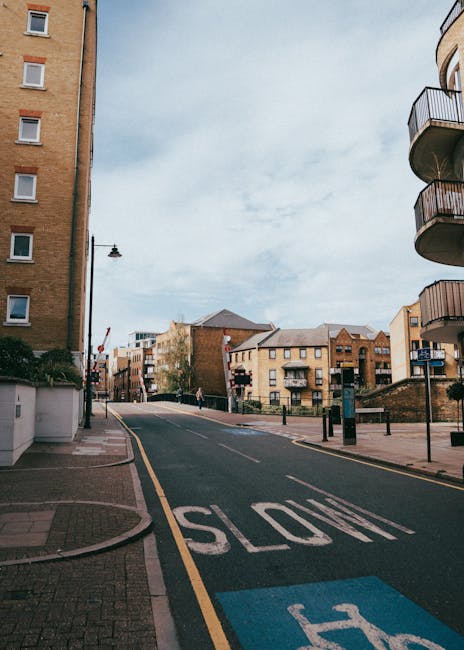
If you have ever tried to move house on a road where a single parked car can turn the whole street into a puzzle, you already know the problem. Narrow streets in West Croydon and Waddon can make even a straightforward move feel a bit like a slow-motion obstacle course. Doors open into traffic lanes, vans struggle to reverse safely, and one awkward sofa can throw the timing of an entire day.
That is exactly why Narrow-Street Moving Hacks for West Croydon and Waddon matter. The right plan saves time, lowers stress, protects your furniture, and helps everyone move with fewer surprises. In this guide, you will get practical, local-minded advice on how to plan access, manage parking, pack smarter, and handle the little details that make a big difference. Truth be told, it is often the small things that decide whether moving day feels organised or chaotic.
Why Narrow-Street Moving Hacks for West Croydon and Waddon Matters
West Croydon and Waddon both have pockets where access can be tight, parking is limited, and pavement space is not exactly generous. That creates three familiar problems: the vehicle cannot stop where you want it, furniture takes longer to carry, and neighbours or passing traffic can get in the way. On a wide suburban road, those issues are annoying. On a narrow street, they can become the whole job.
Moving in these conditions is not just about strength. It is about route planning, timing, and safe handling. If the van is parked too far away, every box becomes a longer carry. If the lift is timed badly, you may block a lane or force a risky manoeuvre. If heavy items are not prepared properly, you can end up damaging the item, the property, or yourself. Nobody wants the sofa to become the main character of the day, but it happens.
Local awareness matters too. Streets near station areas, terraced housing, and older residential roads often need a more careful approach than a newer estate. That is where narrow-street moving hacks really earn their keep: they help you plan around the street you actually have, not the street you wish you had.
For deeper packing help before moving day, many readers also find it useful to look at house-moving packing guidelines and the practical advice in how to declutter before you move.
How Narrow-Street Moving Hacks for West Croydon and Waddon Works
The basic idea is simple: reduce friction at every stage. In practice, that means planning access before the van arrives, trimming unnecessary items from the load, and making the move-out and move-in sequence as short as possible. When a street is tight, you want to think in terms of short carries, clear handovers, and fewer trips.
A good narrow-street move usually works in five stages:
- Assess the street and property access. Look at width, kerb space, nearby parking restrictions, door positions, and whether the front path is clear.
- Prepare the load. Pack by room, label the fragile items clearly, and separate awkward pieces such as mirrors, beds, or oversized white goods.
- Choose the best vehicle position. Park as close as is safely possible without blocking driveways, crossings, or essential access.
- Move in an efficient sequence. Start with the largest and heaviest items, then move lighter boxes to fill the remaining space.
- Protect the property and the goods. Use blankets, straps, corner protection, and careful lifting to prevent knocks and scrapes.
One thing that often surprises people is how much time gets lost not on lifting, but on decision-making. "Where should this go?" "Can we fit that through here?" "Do we need to turn it sideways?" Those pauses add up. Good planning cuts them down before they start.
If you are using a man and van or removal team, clear communication helps just as much as equipment. A quick note about stair width, parking limits, or difficult furniture can save a lot of faffing about later. For more on what support can look like, see services overview and man with a van in Waddon.
Key Benefits and Practical Advantages
Narrow-street moving hacks are not gimmicks. They are practical habits that make a real difference to time, safety, and cost control.
- Fewer trips: Better loading and parking means less back-and-forth.
- Lower damage risk: Shorter carries and better handling reduce bumps and scrapes.
- Less stress: You are not improvising under pressure every five minutes.
- Better timing: The move becomes more predictable, which is especially useful if you have building access windows.
- Improved safety: Less rushing, fewer awkward lifts, and more control on stairs or pavements.
- Smarter use of labour: Every pair of hands counts more when the route is efficient.
There is also a quieter benefit that people do not mention enough: a well-run move feels calmer. You can hear yourself think. That matters. When the day starts to feel orderly, everyone tends to work better, including the person who has been awake since 6 a.m. drinking tea and pretending not to worry.
For bulky furniture, planning ahead pays off. These guides on sofa preservation techniques and bed and mattress relocation are useful if you are moving awkward household items through tight access.
Who This Is For and When It Makes Sense
This approach makes sense for anyone moving in or out of streets where the van cannot simply pull up beside the front door. That includes:
- people moving from terraced houses with limited frontage
- flat residents with narrow stairwells or shared entrances
- students or renters with smaller loads but awkward access
- families moving from long-park streets where the nearest space may be a short walk away
- office or studio moves where timing and access matter more than heavy volume
- anyone dealing with a same-day or short-notice move
It is also a smart approach if your move includes large or fragile items, such as a piano, a deep freezer, or a bed frame that does not dismantle neatly. If that sounds familiar, the specialist advice in storing a freezer properly and safe piano moving support can help you make better decisions before moving day.
When does it make the most sense to bring in professionals? Usually when the access is tight enough that a small mistake could cause delay or injury. If you are already juggling parking, stairs, rain, and a few overly enthusiastic relatives, well, that is the moment to stop and simplify things.
Step-by-Step Guidance
Here is a practical way to manage a narrow-street move in West Croydon or Waddon without overcomplicating it.
1. Walk the route before the van arrives
Check the front door, side gate, path, kerb, and any tight corners. Look for wheelie bins, overhanging branches, low railings, or cars that regularly park close to the property. If the route includes steps or a steep slope, note that early. A five-minute walk-through can prevent a lot of slow guessing later.
2. Measure the awkward items
Do not just guess. Measure sofas, beds, wardrobes, appliances, and any item you know will test the doorway. It is especially useful to compare dimensions against stair turns and hallway widths. A tape measure and a quiet minute now can save an embarrassing "that is not going through there" moment later.
3. Dismantle what you can
Remove legs, shelves, detachable handles, table tops, and mirror sections where safe to do so. Keep screws and fittings in labelled bags. The aim is not just to make items smaller, but to make them easier to control around corners and up steps.
4. Pack for speed, not just neatness
Pack by access priority. Put the essentials where they can be found first, and keep the heaviest boxes small enough to lift safely. The best-packed box in the world is not much help if nobody wants to lift it. For more packing structure, have a look at packing and boxes in Waddon.
5. Reserve the easiest safe parking position
Where possible, choose the closest legal and safe stopping point. If the closest position is not workable, choose the next-best option that gives you a straight carry. A slightly longer walk on a flat, clear path is often better than a shorter but awkward route around parked cars.
6. Load in the right order
Start with bulky, sturdy items that create a base inside the van. Then fill gaps with boxes and lighter items. Keep fragile pieces secure and upright where needed. If you are moving a piano, mattress, or large sofa, it usually deserves its own plan instead of being squeezed in as an afterthought.
7. Keep the exit and entrance clear
This sounds obvious, but it gets forgotten all the time. Keep hallways open, avoid stacking boxes by the doorway, and make sure the path from house to vehicle stays free. In narrow streets, clutter becomes a bottleneck very quickly.
Expert Tips for Better Results
These are the little improvements that make a narrow-street move noticeably easier.
- Use smaller boxes for heavy items. A compact box of books is far easier to carry than one overloaded carton. That sounds basic, but people still do it.
- Set a loading order before the team arrives. Do not decide on the fly if you can avoid it.
- Protect corners and door frames. Even a slow-moving item can leave a mark when space is tight.
- Have one person direct the route. Too many voices slow the job down.
- Move awkward items separately. Pianos, mirrors, and oversized wardrobes need breathing room.
- Use a staging area inside the home. A clear landing zone near the door can keep the move flowing.
- Check weather before the day. Rain makes pavements slick, and that changes everything. A dry carry is simply easier.
One small but useful habit: keep a cloth or towel near the entrance for wet shoes, dirty hands, or a damp box corner. Tiny thing. Big annoyance if ignored.
If you are moving without much help, safer lifting technique matters too. The guides on solo heavy lifting skills and kinetic lifting techniques are worth reading before you attempt anything that feels borderline.

Common Mistakes to Avoid
Narrow streets are unforgiving of rushed decisions. The usual mistakes are not dramatic, just expensive or inconvenient.
- Assuming the van can stop anywhere. A quick stop that blocks traffic or a driveway can cause arguments and delays.
- Leaving packing until the last minute. Last-minute packing tends to create awkward, overfilled boxes and more broken items.
- Forgetting to measure large furniture. This is a classic. If it is too wide for the stair turn, it is too wide.
- Ignoring building access rules. Shared entrances, timed entries, and stairwell use can all matter.
- Overloading one person. In a tight street, fatigue creates more risk than speed saves.
- Not planning for waste. Old furniture, packaging, and broken items need somewhere to go, and they should not clog the pathway.
Another common one? Thinking the shortest route is always best. It is not. Sometimes the "short" route has a hard turn, a steep step, and a gate that sticks every third swing. That route can become a nightmare for a large item.
If you need to dispose of bulky items, check the guidance in bulky waste rules and fines in Waddon before putting anything out on the street.
Tools, Resources and Recommendations
You do not need a warehouse full of equipment to move well on a narrow street. A few smart tools do most of the work.
| Tool or Resource | Why It Helps | Best Used For |
|---|---|---|
| Moving blankets | Protects furniture edges and finishes | Sofas, tables, wardrobes |
| Furniture straps | Improves control during lifting and loading | Heavy or awkward items |
| Tape and labels | Keeps boxes organised and easy to place | Room-by-room packing |
| Corner protectors | Reduces scuffs on walls and furniture | Narrow hallways and stair turns |
| Dolly or sack truck | Reduces carrying strain on long-ish paths | Boxes, appliances, stacked items |
| Storage unit or short-term storage | Lets you split the move if access is difficult | Phased or delayed moves |
Storage can be especially helpful if the new place is not ready, or if you simply want fewer items moving at once. The page on storage in Waddon is a sensible next step if a phased move would reduce pressure.
If you are comparing support options, take a calm look at the difference between a basic man and van service, a more complete removal service, and full removals in Waddon. The right choice depends on volume, access, and how much heavy lifting you want to take on yourself.
Law, Compliance, Standards, or Best Practice
In tight streets, compliance is not just paperwork. It is part of safe and respectful moving practice. While local rules can vary by street and circumstances, a careful mover should always think about parking legality, pedestrian access, neighbouring driveways, and safe loading. Do not assume that a short stop is harmless just because it is convenient.
Good practice also means protecting people as well as property. If your move involves heavy lifting, use safe handling methods, take breaks when needed, and do not twist under load. The approach should fit UK health and safety expectations in a common-sense way: plan the lift, share the load, and avoid rushing a risky movement. That is especially true on stairs or when the pavement is uneven.
If you hire help, choose a provider that is transparent about its process, security, and insurance arrangements. It is reasonable to ask how items are protected, how claims are handled, and what happens if access turns out to be more difficult than expected. You should never feel silly for asking those questions. Quite the opposite, really.
For reassurance on service standards and company information, the following pages may be useful: insurance and safety, health and safety policy, and terms and conditions.
Options, Methods, or Comparison Table
There is more than one way to handle a narrow-street move. The right method depends on the size of the property, the access, and your tolerance for hassle.
| Method | Best For | Strengths | Trade-Offs |
|---|---|---|---|
| DIY with a hired van | Small moves, confident packers | Lower upfront cost, flexible timing | More physical effort, more pressure on access planning |
| Man and van | Light-to-medium moves, local jobs | Practical for tight streets, easier handling | May still need help with packing or dismantling |
| Full removal service | Larger homes, fragile loads, awkward access | Less stress, more support, better sequencing | Usually the most involved option |
| Split move with storage | When timing or space is limited | Reduces pressure on moving day | Requires extra coordination |
For many narrow streets, the middle option works best: enough support to keep things safe, without paying for more help than you need. If you are moving a flat, the dedicated advice on flat removals in Waddon may be especially relevant. If the job is more substantial, house removals in Waddon gives you a clearer idea of what a fuller service can cover.
Case Study or Real-World Example
Here is a realistic example from a typical narrow-road scenario. A resident moving from a terraced property near a busy through-road in Waddon had a sofa, a bed frame, a fridge freezer, and around twenty boxes. The street offered parking, but only on one side, and not right outside the door. Not ideal. The entrance had a narrow path and a gate that only stayed open if someone held it.
The move worked because everything was planned in advance. The sofa was protected and measured before the day. The fridge freezer was emptied and prepared early, with the relevant storage guidance in mind. Boxes were labelled by room. The van parked at the nearest safe point rather than trying to squeeze into a bad space. One person managed the door and route, while two others handled lifting. No frantic guessing, no last-minute drama.
The result? Fewer trips, no damaged walls, and a much quicker unload at the new address. Nothing glamorous, but very effective. And honestly, that is what most people want on moving day: not a story, just a clean result.
If your move involves a piano or other specialist item, it is better to treat it as a separate job rather than hoping standard lifting will be enough. The local guide on tight-access jobs around Waddon Station is also useful if your route includes especially awkward access points.
Practical Checklist
Use this checklist the day before and the morning of the move.
- Walk the access route from door to van
- Check for parked cars, bins, steps, or low obstacles
- Measure large furniture and awkward appliances
- Disassemble what can be safely taken apart
- Label boxes by room and priority
- Keep heavy items in smaller boxes
- Prepare blankets, straps, tape, and protective materials
- Confirm the best safe parking position
- Clear the hallway and entrance area
- Set aside important documents, keys, chargers, and essentials
- Plan a backup if parking or access changes
- Arrange short-term storage if the new place is not ready
Expert summary: If the street is narrow, the job is won before the van arrives. Measure early, pack smart, keep the route clear, and move the biggest problems first. That simple approach turns a difficult access move into something much more manageable.
Conclusion
Narrow streets in West Croydon and Waddon do not have to turn moving day into a headache. With the right planning, the right packing strategy, and a realistic view of access, you can keep the day steady and controlled. The hacks are not fancy. They are practical, repeatable, and based on what actually causes problems: parking, carrying distance, awkward angles, and too much last-minute pressure.
Whether you are moving a small flat, a family home, or a bulky item that needs a bit more care, a narrow-street approach helps you work with the street instead of fighting it. And that is usually the difference between a move that runs you ragged and one that feels properly under control. A bit of order goes a long way.
Get a free quote today and see how much you can save.
When the boxes are in, the kettle is on, and the street noise drops away for a moment, you will be glad you planned it properly. Small effort, big relief. That is the real win.