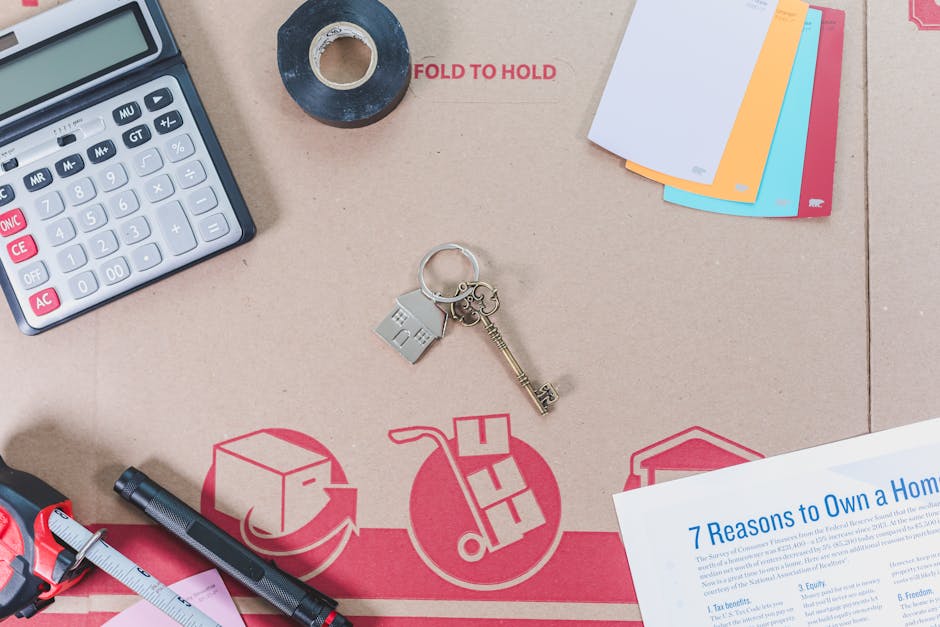
Case Study: Two-Bed Flat Move on Waddon Court Estate
Moving a two-bed flat can look straightforward on paper. Two bedrooms, a lounge, a kitchen, a few boxes, done. In real life, though, the lift is busy, the hall is tight, the sofa is awkward, and somebody always remembers a last-minute item right when the van is ready. This Case Study: Two-Bed Flat Move on Waddon Court Estate looks at a typical local flat removal and breaks down what actually matters: access, packing, timing, protection, and a sensible plan that keeps stress under control.
Waddon Court Estate presents the kind of everyday moving challenges many people underestimate. Flats often mean shared entrances, stairwells, limited parking, and neighbours who still need to get through the building while your move is happening. That is exactly why a good flat move is not just about muscle. It is about sequence, judgement, and a few calm decisions made early. Let's face it, the difference between a smooth move and a messy one is usually decided before the van even turns up.
In the sections below, you will find a practical breakdown of how a two-bed flat move is prepared, where the common risks sit, what tools help most, and what good practice looks like from start to finish. If you are weighing up professional help, the guidance here should also help you judge whether a move fits a standard flat-removal approach or needs something more tailored.
Why Case Study: Two-Bed Flat Move on Waddon Court Estate Matters
A case study is useful because it turns a vague service into something you can picture. A two-bed flat move on Waddon Court Estate is a very typical local job, but it brings together many of the details that shape flat removals everywhere: access control, lift etiquette, careful loading, protection of furniture, and sensible timing around busy residential spaces.
For the customer, the value is clarity. Instead of guessing how a move should be handled, you can see the process as a sequence of decisions. That is especially helpful if you are trying to judge whether you need a full crew, a smaller man and van service in Waddon, or a more structured flat-removal approach. A two-bed property often sits right in the middle: not tiny, not huge, but very easy to underestimate.
From an operational point of view, estate moves reward preparation. If the route from front door to van is short and clear, everything is easier. If the route is awkward, every extra box adds friction. A chest of drawers that seems harmless in the bedroom can become the one item that makes the hallway feel suddenly narrow. That is why the planning stage matters so much.
There is also a trust angle. People want to know that their belongings will be handled properly, that walls and floors will be protected, and that the move will not become a long, noisy, all-day ordeal for everyone involved. Good case study writing helps set those expectations clearly, which is useful whether you are booking removal help or just planning your own move.
How Case Study: Two-Bed Flat Move on Waddon Court Estate Works
The easiest way to think about this move is as three linked stages: preparation, moving day execution, and arrival at the new address. Each stage affects the next one. Miss one part, and the whole thing becomes more fiddly than it needs to be.
Preparation starts before the van arrives. In a two-bed flat, that usually means separating essentials from non-essentials, confirming access arrangements, checking lift or stair use, and deciding which pieces need dismantling. A bed frame, wardrobe, dining table, or large sofa may need partial disassembly to avoid scuffs and stuck corners. If the flat has bulky seating or delicate upholstery, it is worth reading about sofa protection and preservation techniques before the move.
On moving day, the team normally works from the least disruptive plan possible. Boxes are moved first if they are ready. Soft items come next. Larger furniture is protected, carried with clear communication, and loaded in a way that avoids pressure damage. The order matters more than people think. If you load everything in the wrong sequence, you can end up unloading half the van just to get to one awkward item. Not ideal. Nobody enjoys that.
At the new property, the process is reversed but not rushed. Items are placed into their rooms where possible, with heavier pieces positioned first. If there is a freezer, it should be handled carefully and not treated like an afterthought; moving it incorrectly can create hassle later. For a useful follow-up, the guide on how to store a freezer properly is relevant if you are moving into temporary storage or delaying installation.
For flat moves, access is the whole game. Is the parking close enough? Is there a narrow entrance? Is the lift reliable? These small questions shape the day. A move that looks like "just across Waddon" can still need careful timing and patient handling if the building layout is awkward. That is normal, by the way, not a disaster.
Key Benefits and Practical Advantages
A well-run two-bed flat move gives you more than transport. It gives you control, less damage risk, and a move that feels organised rather than chaotic. Those benefits sound obvious, but they are exactly what people remember when the job is over.
- Reduced stress: Clear planning means fewer last-minute decisions and less emotional fatigue.
- Better protection: Furniture, flooring, and shared hallways are less likely to take knocks.
- Faster turnaround: When boxes are labelled and access is confirmed, the whole day runs more smoothly.
- Less lifting strain: A sensible moving method lowers the chance of overreaching or carrying badly.
- Fewer delays: Parking, lift access, and load order are handled early, not guessed on the spot.
There is also a subtle but real benefit: your move feels less disruptive to the building around you. On estates, that matters. Shared hallways and parking areas are part of the experience, and a respectful move makes life easier for everyone. A courteous move is a smoother move. Simple as that.
If you are comparing support options, it can help to read the broader guide to moving without the stress alongside the practical service pages. You will get a better sense of what is included, what is optional, and where professional handling adds genuine value rather than just extra cost.
Who This Is For and When It Makes Sense
This kind of case study is useful for a few different people. First, anyone moving from a two-bed flat on an estate with shared access or limited parking will recognise the same pressure points. Second, renters preparing for a tenancy end will want to avoid damage and keep the property in clean condition. Third, first-time movers often benefit from seeing how a real-world flat move is actually put together.
It also makes sense if you are deciding between doing it yourself and hiring help. A small move with a few boxes can be manageable on your own. A two-bed flat with a bed, mattress, sofa, white goods, and several wardrobes? That is a different story. You can do it yourself, of course, but the margin for error is smaller than people expect.
There are a few signals that the job is better handled with professional support:
- you have large or fragile furniture
- the building has tight stairwells or narrow corridors
- parking near the entrance is limited
- you need the move finished within a specific time window
- you are worried about lifting injuries or damage
If any of that sounds familiar, a structured local flat-removal plan is probably a better fit than a last-minute lift-and-shift approach. Truth be told, that is where most avoidable moving problems start.
Step-by-Step Guidance
The following process is a practical way to handle a two-bed flat move on Waddon Court Estate. It is not fancy, but it works.
- Survey the property properly. Walk through every room and note what must be moved, what can be donated, and what needs dismantling.
- Measure awkward items. If a sofa, wardrobe, bed base, or dining table looks tight in the hallway, assume it will need planning.
- Book access and parking early. Know where the van can stop, how long it can stay, and whether the route from flat to vehicle is direct.
- Pack room by room. Keep similar items together so unloading is easier later. Labelling boxes by room sounds dull, but it saves time.
- Use proper protection. Wrap fragile surfaces, cover mattresses, secure drawers, and protect corners where needed. For beds and soft furnishings, the article on bed and mattress relocation best practices is a useful companion piece.
- Load in order. Put the largest and least flexible items in first, then build around them with boxes and lighter items.
- Unload by priority. Bedrooms, essential kitchen items, and bedding usually come before decorative or storage items.
A small but useful clarification: "room by room" does not mean you need to finish one room perfectly before starting another. It just means you avoid a mixed pile of mystery boxes. Nobody wants to unpack a kitchen spoon in with winter scarves later. That is the sort of tiny annoyance that makes moving day feel longer than it is.
Expert Tips for Better Results
Here is where experience saves time. Most flat moves improve when you focus on friction points, not just volume.
Keep a clear walkway. Even a short corridor becomes awkward if bags, boxes, and cushions are left in the path. You want the route from flat to van to feel almost boring. Boring is good.
Strip furniture before moving it. Remove drawers, loose shelves, bedding, and detachable parts. This makes pieces lighter and far less likely to snag on corners. It also reduces the sound of things rattling around, which is strangely comforting at 8am.
Use a "first-night" box. Put kettle, tea, phone chargers, toiletries, medication, a towel, and basic toiletries in one clearly marked box. On moving day, this one box can make the first evening feel manageable rather than chaotic.
Respect the lift if there is one. Estate lifts are useful, but they are not storage spaces. Keep doors clear, move promptly, and avoid overloading with furniture that could cause delays for neighbours.
Choose the right lifting method. If you are moving items yourself, follow the safer techniques covered in solo heavy lifting guidance and the more general lifting advice in kinetic lifting techniques. Those articles help reinforce good body position and careful movement, especially when someone is tempted to "just grab it quickly." We have all been there, and it is rarely a good idea.
One more practical note: if you are moving under time pressure, aim to finish packing the night before. Not perfectly. Just properly enough that the van crew can begin straight away. That alone can cut a lot of morning stress.
Common Mistakes to Avoid
Flat moves tend to go wrong in predictable ways. The good news is that most of them are preventable.
- Underestimating access: A "short walk" from flat to van may still be awkward if the route has turns, steps, or shared doors.
- Packing too late: Last-minute packing leads to poor labelling, broken items, and unnecessary delays.
- Forgetting building rules: Shared estates often have practical expectations around noise, parking, and use of common areas.
- Ignoring furniture dimensions: If a bed or wardrobe barely fits in the room, it may not come out cleanly without dismantling.
- Not protecting floors: Scuffed hallway flooring or chipped paint can turn a simple move into an uncomfortable conversation.
A very common one is overfilling boxes. It feels efficient right up until the box tears in the stairwell. A lighter box that can be carried safely is almost always the better choice. Another mistake? Leaving the dismantling tools in the wrong room. That sounds trivial, but it is the kind of thing that costs ten minutes, then twenty, then somehow half an hour.
If rubbish or unwanted furniture has to be cleared before moving out, you should also be careful with disposal arrangements. For context on common issues around bulky items, the article on bulky waste rules and fines in Waddon is worth a look.
Tools, Resources and Recommendations
You do not need a mountain of equipment for a two-bed flat move, but the right basics make a real difference.
- Sturdy boxes: Choose a consistent size where possible. That makes stacking easier and safer.
- Blankets and wraps: Useful for sofas, tables, mirrors, and other surfaces that mark easily.
- Mattress covers: Helpful for cleanliness, especially if weather or stairwells are a factor.
- Labels and marker pens: The simplest organisational tool there is, and one of the best.
- Basic dismantling tools: Screwdrivers, Allen keys, tape, and a small bag for fixings.
- Trolley or straps: Useful for heavier loads, though they need to be used sensibly on stairs and thresholds.
It can also help to think about services as a system rather than a single booking. For example, if you need packing supplies, the page on packing materials and boxes in Waddon may support the preparation phase, while furniture removals support is the natural fit for larger items. If your move is part of a bigger home relocation, flat removals in Waddon and local removals in Waddon are the broader service categories people usually compare first.
If you are looking beyond the move itself, there are also useful support pages for planning, safety, and trust. For example, the company's health and safety policy and insurance and safety information are worth reviewing when you want reassurance about how care is handled. A move is practical, yes, but it is also about trust. That matters.
Law, Compliance, Standards, or Best Practice
For a flat move like this, the main compliance issues are less about legal complexity and more about doing things properly. In the UK, that usually means being considerate with access, respecting shared spaces, and handling goods safely. If you are moving in an estate, you should also be mindful of building rules and any parking or loading restrictions that apply locally.
Best practice is straightforward:
- do not block access routes unnecessarily
- avoid damaging communal walls, lifts, or floors
- use safe lifting methods and suitable protection for fragile items
- keep clear communication with anyone sharing the building
- dispose of unwanted items responsibly rather than leaving them behind
If you are working with movers, it is sensible to check service terms, payment expectations, and safety information before the day. That is not being cautious for the sake of it; it is simply good moving practice. A clear arrangement reduces misunderstandings, which in turn reduces stress. In our experience, that is half the battle.
Some moves also benefit from storage if the new place is not quite ready. In that case, storage in Waddon can become part of a sensible phased move, especially when keys are delayed or furniture needs to be held temporarily.
Options, Methods, or Comparison Table
There is no single "correct" way to move a two-bed flat, but there are clear trade-offs between methods. Here is a simple comparison to help frame the choice.
| Method | Best for | Pros | Watch-outs |
|---|---|---|---|
| DIY with friends | Small loads, flexible timing, low-budget moves | Lower upfront cost, full control | More lifting strain, higher damage risk, slower if access is awkward |
| Man and van | Two-bed flats, medium loads, straightforward local moves | Good balance of price and support, easier loading, quicker turnaround | Requires some preparation and accurate access info |
| Full removals service | Larger, more complex, or highly time-sensitive moves | More hands, more structure, stronger support for fragile items | Usually more expensive and may be more than you need |
For many Waddon Court Estate moves, a mid-level service is the sweet spot. It is enough support to handle furniture safely without paying for more capacity than the job needs. Still, if you have awkward access or a large amount of furniture, the better question is not "which is cheapest?" but "which is least likely to cause problems?" That is the real decision.
Case Study or Real-World Example
Here is a realistic example based on a typical two-bed flat move on Waddon Court Estate. The property contained a sofa, a double bed, a mattress, a small dining table, two wardrobes, a fridge-freezer, a washing machine, and around thirty boxes of household items. The route from the flat to the loading point was short, but the hallway was narrow and the building had shared access, so the team needed to stay organised and calm.
The first step was a quick pre-move walk-through. That uncovered a few things that would have caused trouble later: one wardrobe needed partial dismantling, the fridge-freezer needed careful isolation and cleaning, and the mattress required protection to avoid hallway marks. The customer also decided to reduce the number of boxes by decluttering a few old items beforehand, which made a noticeable difference. That kind of sorting work pays off. If you are still in the "what can I let go of?" stage, the article on decluttering before you move is a solid starting point.
On moving day, the crew prioritised clear routes and steady lifting rather than speed for speed's sake. Boxes were loaded first, then soft items, then furniture protected with blankets and wraps. The sofa and bed were handled with extra care because those items tend to create the most friction in a flat move. The job finished with a tidy placement at the destination and no unnecessary back-and-forth. Not dramatic. Just competent. And honestly, that is what most people want.
The biggest lesson from this move was simple: the success came from preparation, not effort alone. When the access route, packing quality, and loading order were all planned in advance, the whole move felt lighter. The stairs did not disappear, of course, but they became manageable. Which is about as good as moving ever gets.
Practical Checklist
Use this checklist to keep a two-bed flat move on track.
- Confirm moving date, key time, and access arrangements
- Check parking or loading options near the property
- Measure large furniture and tight spaces
- Declutter before packing begins
- Gather boxes, tape, wraps, and mattress protection
- Pack one room at a time
- Label every box clearly
- Set aside essentials for the first night
- Dismantle large furniture where needed
- Protect floors, walls, and doorways
- Keep fixings and screws in labelled bags
- Plan unloading order for the new home
- Allow for disposal or storage of unwanted items if needed
Expert summary: A successful two-bed flat move is usually won by preparation, not bravado. If you get access, packing, protection, and load order right, the rest feels much easier.
Get a free quote today and see how much you can save.
Conclusion
A two-bed flat move on Waddon Court Estate is the kind of job that looks ordinary until you are in the middle of it. Then the details matter: the lift, the parking, the staircase, the sofa that is just a bit too wide, the box that should have been labelled better. All the little things.
The good news is that these moves are very manageable when the plan is sensible. If you prepare properly, protect the right items, and choose the right level of help, the day becomes much calmer. And calmer moves tend to be safer moves too. That is really the heart of it.
If you are planning a move of your own, start with the access, then the packing, then the furniture. Keep the process simple. Keep it tidy. A good flat move does not need to feel heroic, just well handled. And once it is done, there is a lovely moment when the kettle is unpacked, the boxes are stacked neatly, and the flat suddenly feels like home again. That part never gets old.
Frequently Asked Questions
What makes a two-bed flat move on Waddon Court Estate different from a house move?
Flat moves usually involve more shared access, tighter hallways, lifts or stairs, and more care around neighbours and building spaces. A house move may have more volume, but a flat move can be trickier in practical terms.
Do I need a full removals team for a two-bed flat?
Not always. Many two-bed flat moves are well suited to a man and van setup or a smaller removals team. It depends on furniture size, access, and how much packing is already done.
How far in advance should I book a flat move?
Earlier is usually better, especially if you need a specific time slot or have parking constraints. If the move is straightforward, you still want enough lead time to sort access and packing properly.
What should I pack first in a two-bed flat move?
Start with non-essential items, seasonal goods, books, spare linen, decorative pieces, and anything you will not need before moving day. Leave daily essentials and final-night items until last.
How do I move a sofa safely through a narrow hallway?
Measure first, remove cushions or feet if possible, protect corners, and plan the angle before lifting. Sometimes the best answer is to rotate the piece slowly rather than force it through in one go.
What if the building has limited parking?
That should be factored into the plan before moving day. Limited parking can add time, extra carrying distance, and the need for more careful loading. It is not a deal-breaker, but it does change the job.
Can I store furniture if my new flat is not ready?
Yes, storage is often part of a phased move. If you have a gap between leaving one property and entering the next, short-term storage can keep the move organised and less rushed.
What items are most likely to get damaged during a flat move?
Large furniture, mirrors, mattresses, soft furnishings, and anything with loose parts tend to be the most at risk. Those items benefit from proper wrapping and careful carrying.
How can I make the move faster on the day?
Pack and label boxes in advance, dismantle furniture where needed, keep walkways clear, and have the first-night box ready. A tidy, well-labelled move always runs faster than a last-minute scramble.
Is it worth using professional help for a local two-bed move?
For many people, yes. Even on a short local move, professional help can reduce lifting strain, save time, and cut the risk of damage in shared areas. That is especially true if the building access is awkward.
What should I do with unwanted furniture before moving out?
Sort it early. Decide whether to sell, donate, recycle, or arrange disposal, and do not leave it until the final day. If bulky items are involved, plan carefully so you stay on the right side of local waste rules and estate expectations.
How do I know whether my move is a flat-removal job or a general man and van job?
If the main challenge is transport and a few heavier items, a man and van service may be enough. If the move includes more furniture, awkward access, or a stronger need for loading support, a flat-removal service is usually the better fit.